
Economic growth and pharmacy intervention are key determinants for access to medicines
EQUALMED has released the Medicine Access Equity Index, comparing the situation in Portugal, France, Spain, Italy, and Belgium, in a session attended by ANF.
By Ana Rita Cunha
Portuguese citizens face a higher financial burden to cover medication costs compared to their French, Spanish, Italian, and Belgian counterparts. This is one of the main findings of the Medicine Access Equity Index, which shows that between 2022 and 2025, Portugal recorded a moderate equity index in access to medicines – around 52% –, placing it below the reference countries for price setting.
The study, promoted by EQUALMED – Portuguese Association for Medicines for Health Equity, in partnership with IQVIA Portugal, highlights a clear relationship between medicine accessibility and population quality of life. In Portugal, people live, on average, four fewer years in good health compared to France, the country with the highest equity index in medicine access among those analyzed, exceeding 78%.
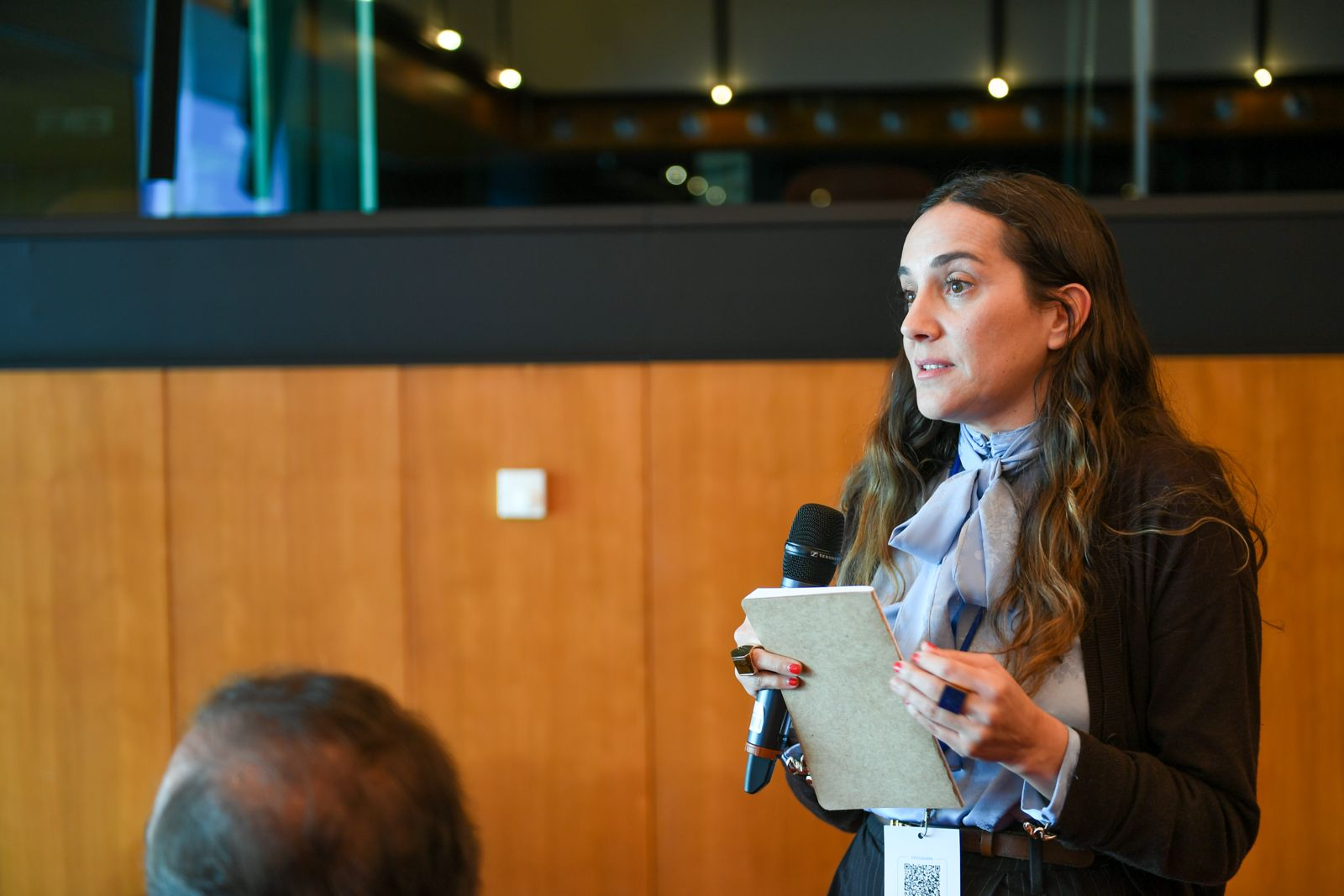
During the presentation of the Medicine Access Equity Index results, held on February 25 at Centro Cultural de Belém, the president of ANF emphasized that the country’s sustained economic growth, reflected in GDP evolution, is essential to ensure continued public investment in innovative and accessible health technologies for all citizens. «It is crucial, however, to ensure that public spending control policies do not produce adverse effects on the medicines system», namely supply shortages caused by the national market losing attractiveness, limitations in public funding for increasingly innovative and costly technologies, and inadequacy in the remuneration of actors within the medicines circuit, particularly pharmacy margins, which may affect their presence in more depopulated areas where access to care is more challenging.
Ema Paulino also highlighted the need to systematically address the challenges faced by individuals throughout their journey in accessing therapies, «avoiding the introduction of barriers to medicine access and prioritizing, whenever possible, proximity healthcare». In this regard, the president of ANF cited the dispensing of hospital medicines locally as an example, noting that it is still possible to reclassify certain medicines immediately for integration into community pharmacy dispensing circuits, thereby promoting equitable access for citizens.
The role of community pharmacies as access points was further emphasized. «This network ensures not only accessibility but also rational investment in health technologies», through the professional intervention of qualified teams, with an average pharmacist-to-pharmacy ratio above the European average. Strengthening and adequately valuing this strategic asset of the National Health Service was identified as key to reconciling financial sustainability with equitable access to medicines.
According to the EQUALMED study, socioeconomic factors explain only about a quarter of the results. Observed differences among the five countries also stem from budgetary and regulatory aspects, as well as healthcare system organization models, which carry significant weight.
Portugal stands out as the country with the lowest per capita medicine expenditure, despite its high disease burden and aging population. Annual state spending on medicines per capita is approximately €183, compared to over €500 in France. Moreover, Portugal records the lowest share of medicine expenditure relative to total health spending.
This situation translates into an increased financial effort for Portuguese families, who bear a high out-of-pocket expense. The study advocates reducing the financial burden of accessing medicines through the implementation of social protection mechanisms for the most vulnerable groups and revising co-payment rules, creating differentiated tiers based on income and clinical conditions. At the same time, it recommends a pricing policy that prioritizes the affordability of essential medicines, ensuring system sustainability without overburdening households.

About the autor