
Sentinel pharmacies in the Oeste region have already carried out more than 1,800 surveys as part of an epidemiological surveillance project
The preliminary results of the innovative project developed between the Oeste Local Health Unit (ULS do Oeste) and the National Association of Pharmacies (ANF) reveal a strong potential for replicating the model nationwide.
By Ana Rita Cunha
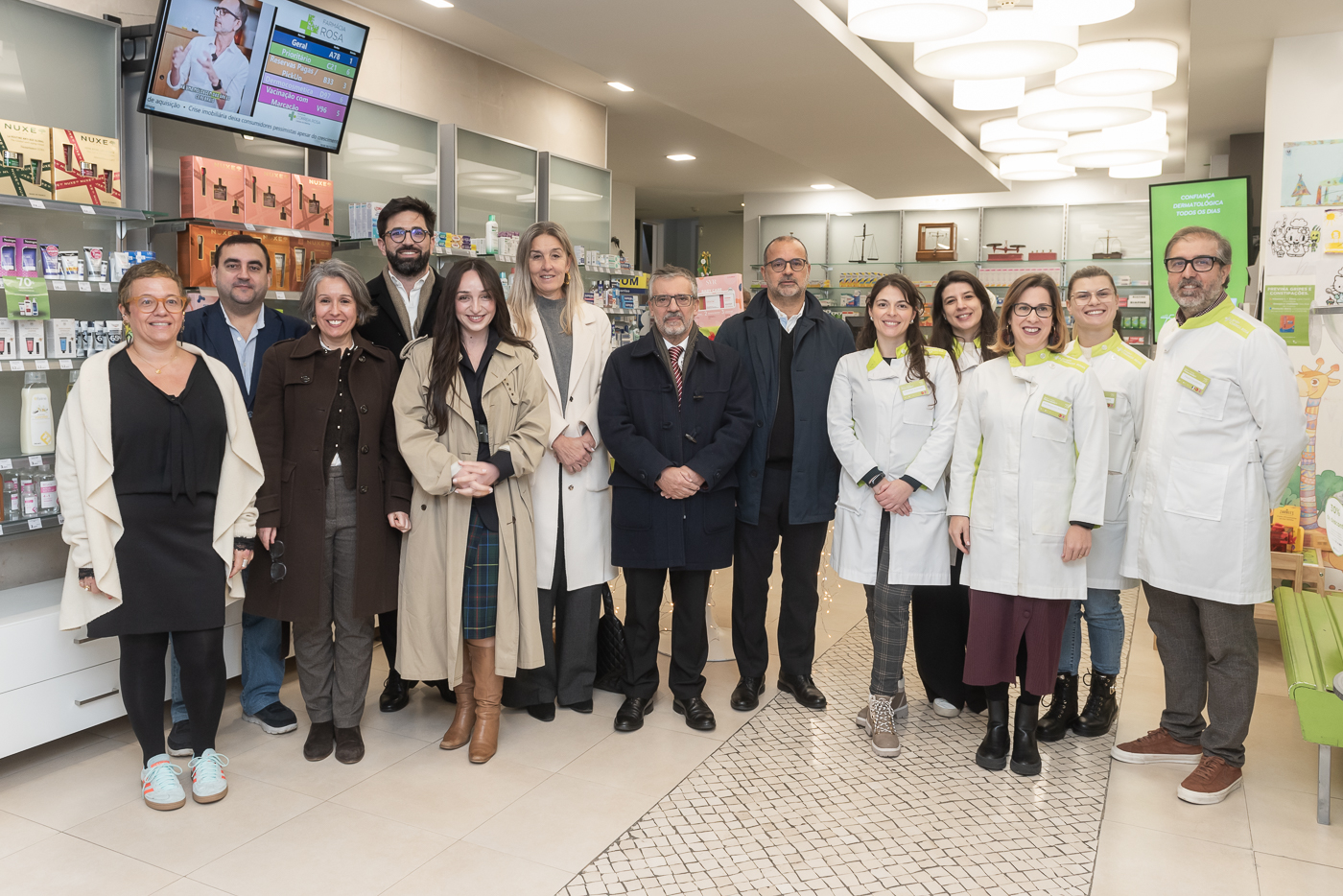
Community pharmacies in the Oeste region have already collected clinical data from more than 1,800 people with acute respiratory infection symptoms and have supported the administration and recording of the results of more than 300 rapid respiratory virus tests, as part of an innovative epidemiological surveillance project carried out in collaboration with the Oeste Local Health Unit (ULS do Oeste).
«As this project demonstrates, pharmacies are a strategic partner due to their proximity to people, the trust of patients and, above all, their in-depth knowledge of the territory», said Elsa Baião, Chair of the Board of Directors of ULS do Oeste, highlighting the importance of this «interinstitutional collaboration».
The President of ANF, Ema Paulino, stated that the preliminary results are positive and emphasized «the impact of the initiative in strengthening actions to promote respiratory etiquette and vaccination, as well as in supporting the management of non-severe acute symptoms, with the potential to reduce virus transmission and unnecessary visits to hospital emergency departments».
Participating community pharmacies, which serve around 60,000 people per week and ensure broad population coverage, operate as sentinel units in coordination with the Oeste Department of Public Health and Populations.
According to Nuno Rodrigues, coordinator of the department, «the data collected are essential to enhance and optimize the capacity of the epidemiological surveillance system, contributing to more effective and timely responses», complementing monitoring tools such as the HiCorr Index, developed in a previous partnership between the department and ANF, which supports the early detection of epidemic peaks.
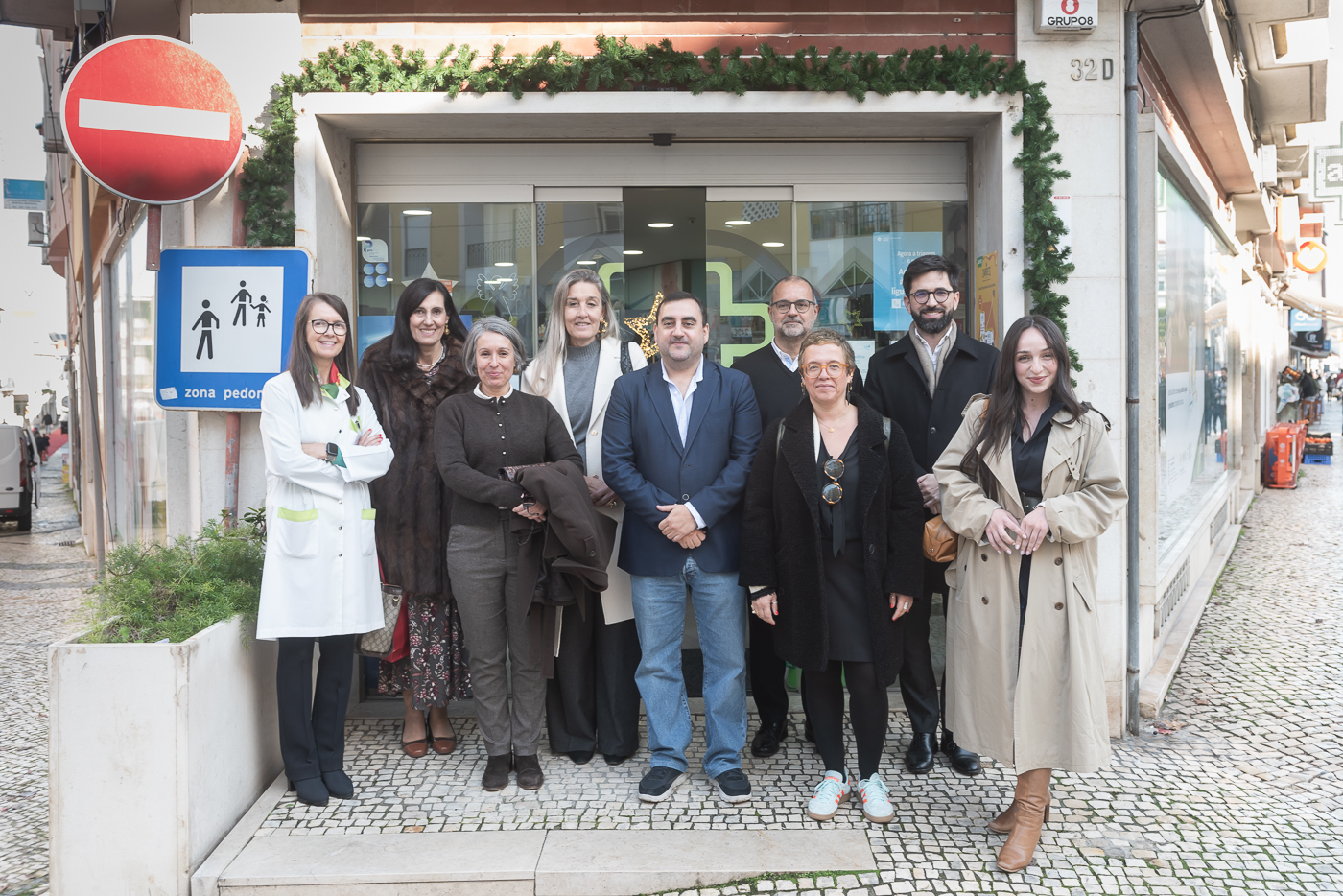
Data collection is carried out through an electronic form available in pharmacy software, where pharmacists record symptoms and tests performed. This methodology makes it possible to monitor the intensity and temporal pattern of infections, as well as the positivity rate of different respiratory viruses in the community.
The preliminary results of this innovative project, supported by a structured data collection methodology, demonstrate a strong potential for nationwide replication, providing strategic information to support clinical and health service management decisions at both local and national levels, enabling faster, more effective, and evidence-based responses.

About the autor