
Pharmacies support local population after flooding leaves Alcácer do Sal without essential services
Following unprecedented flooding that lef Alcácer do Sal without essential services, the city's pharmacies, although also affected, responded quickly to the needs of the local population.
By Ana Rita Cunha
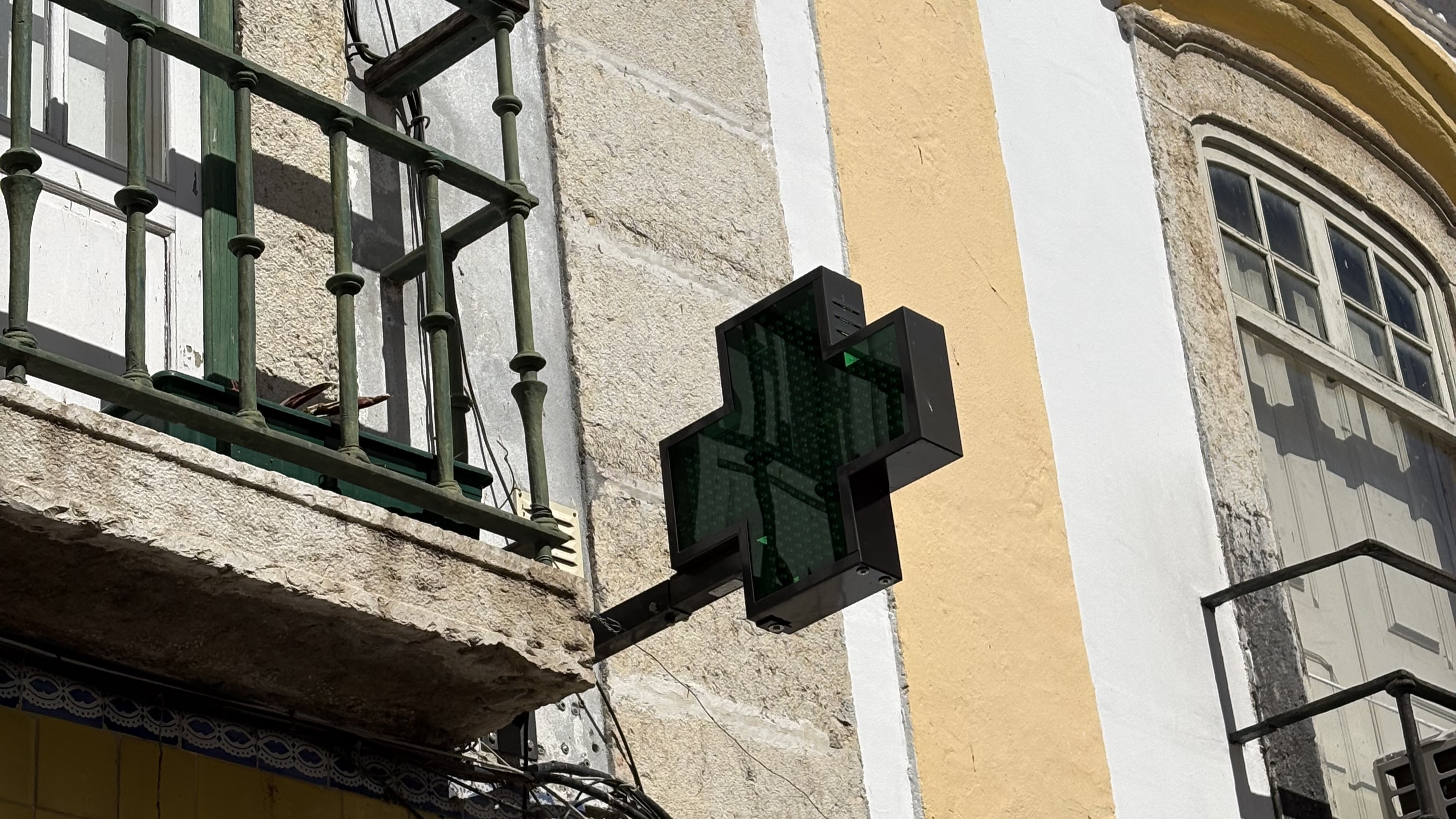
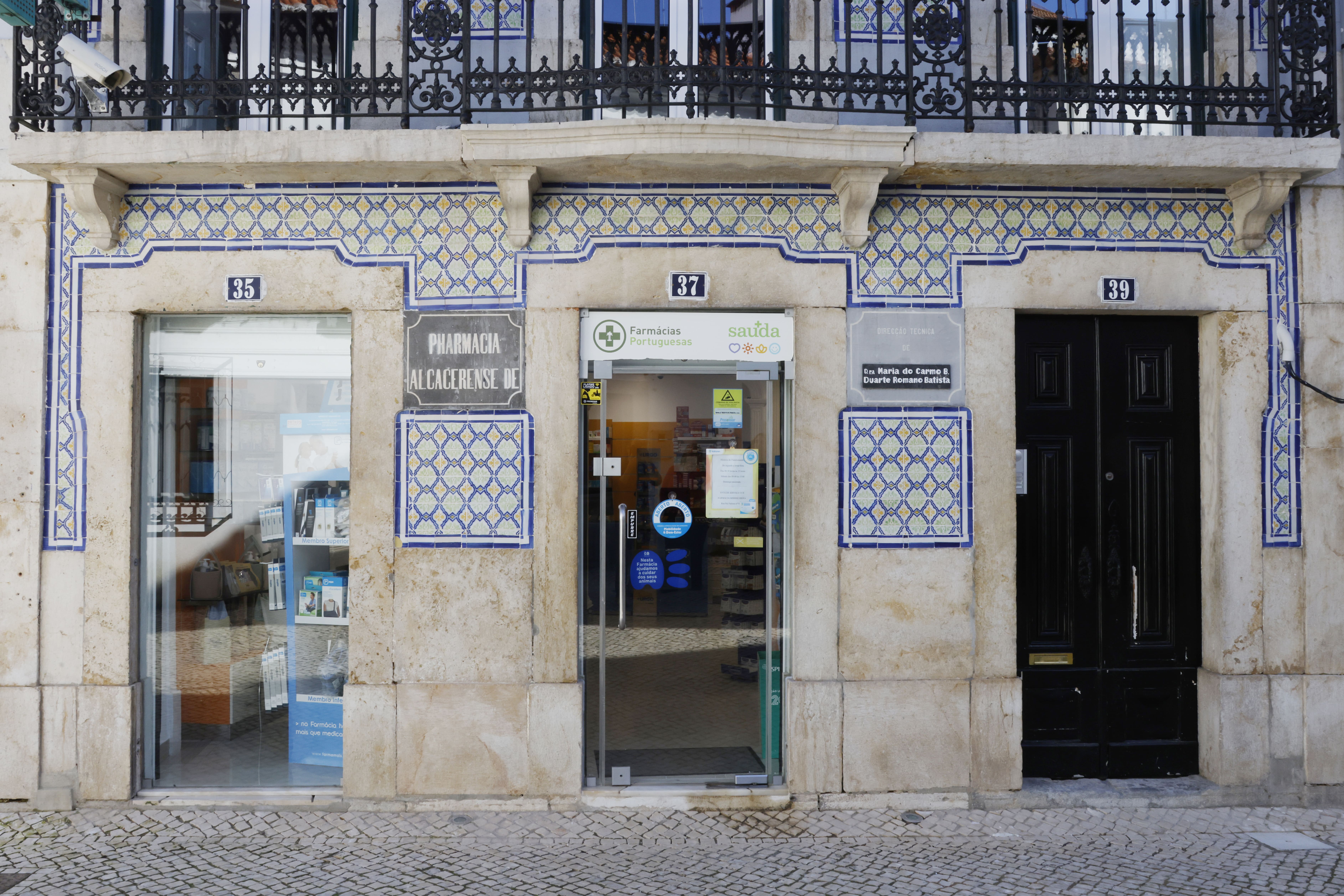
The clock showed 8.30 a.m. on 9 March when the doors of Farmácia Alcacerense, in Alcácer do Sal, reopened after being closed for more than a month. The memory of the flooding that, during the first week of February, caught the team by surprise and severely damaged this century-old pharmacy remains vivid. However, for owner and technical director Maria do Carmo Batista, that moment is now beginning to give way to a sense of «relief».
«This is a happy day. I was eager to get back to work», she says, recalling that the initial expectation had been for the interruption to last only a few days. «We never thought we would be closed for so long. We believed that we would be able to resume work the weekend after the flooding».
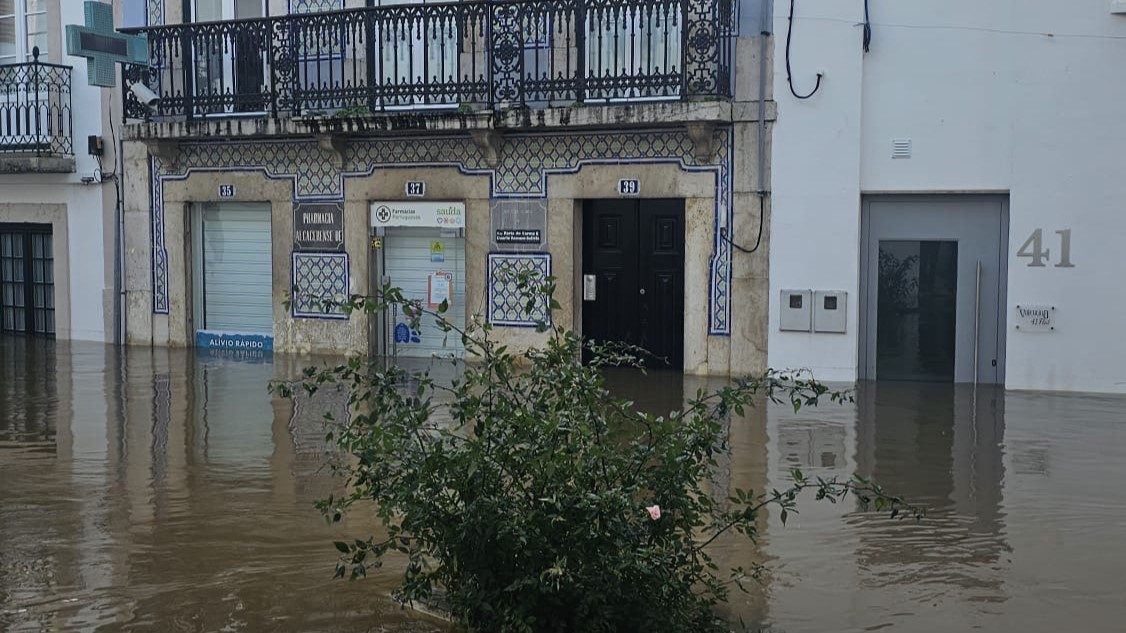
Reality, however, proved very different. Storm Leonardo caused the level of the River Sado to rise beyond expectations, resulting in unprecedented flooding in the city, exceeding the levels recorded in 1963. «We were left without pharmacies, banks, post offices, a market, with no services operating at all. In many places, the water rose all the way to the ceiling. It was devastating», she recalls.
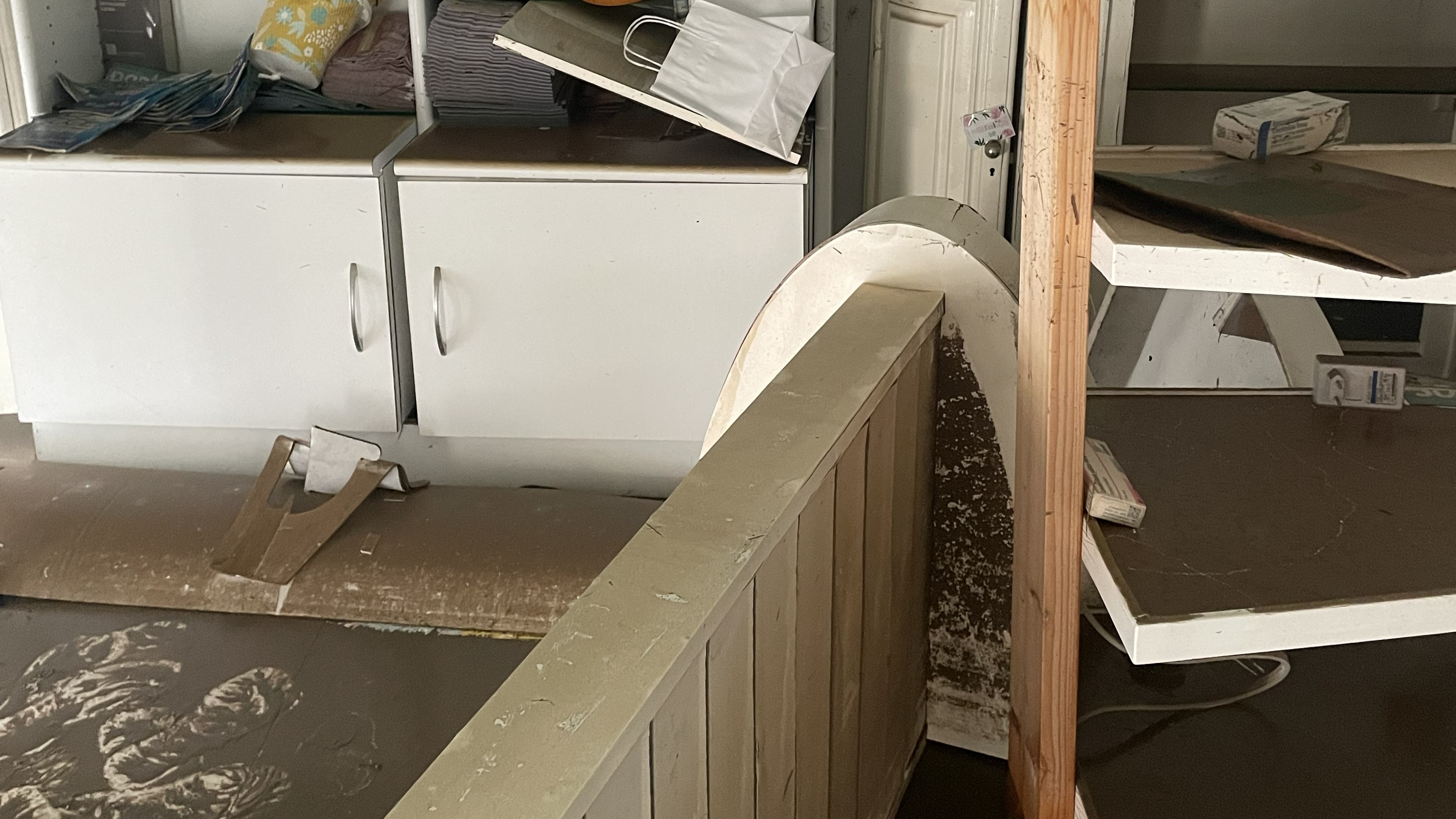
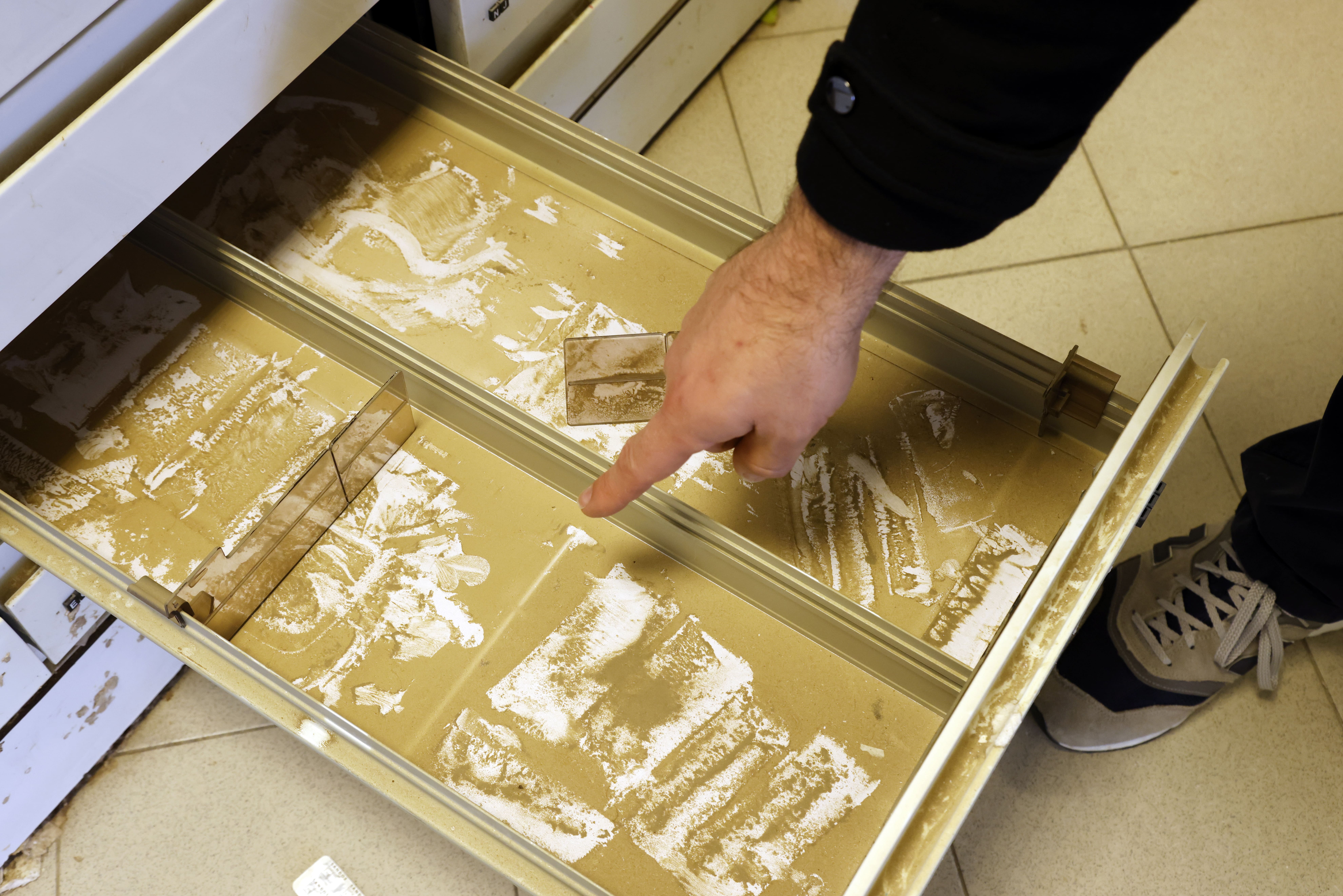
Located by the riverfront, Farmácia Alcacerense suffered «total» damage. «Practically everything was destroyed – counters, cabinets, chairs, desks, everything, everything, everything. We were only able to salvage the cabinets above a certain height», explains Maria do Carmo Batista, adding that a significant part of the pharmacy’s stock was also lost.
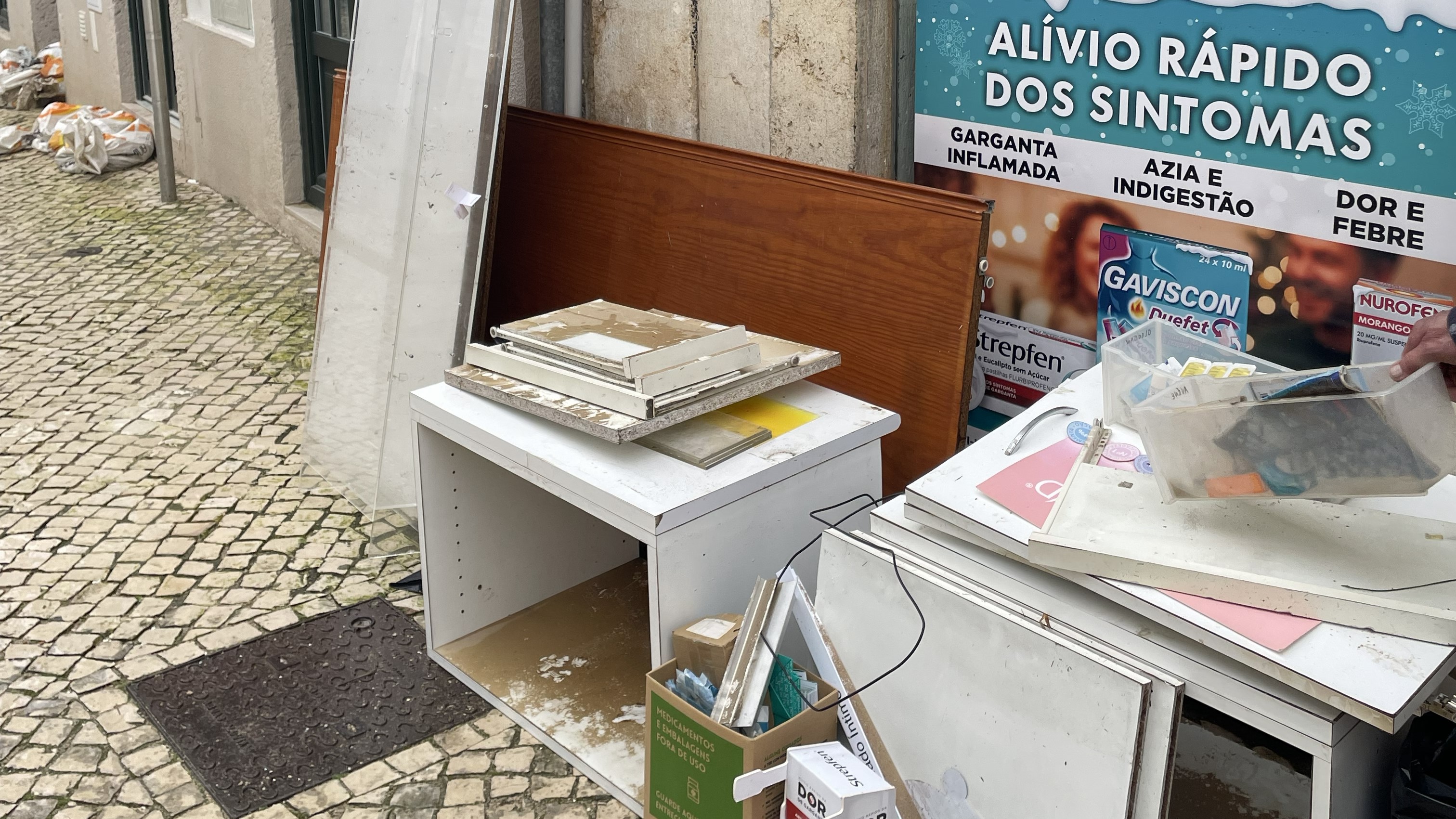
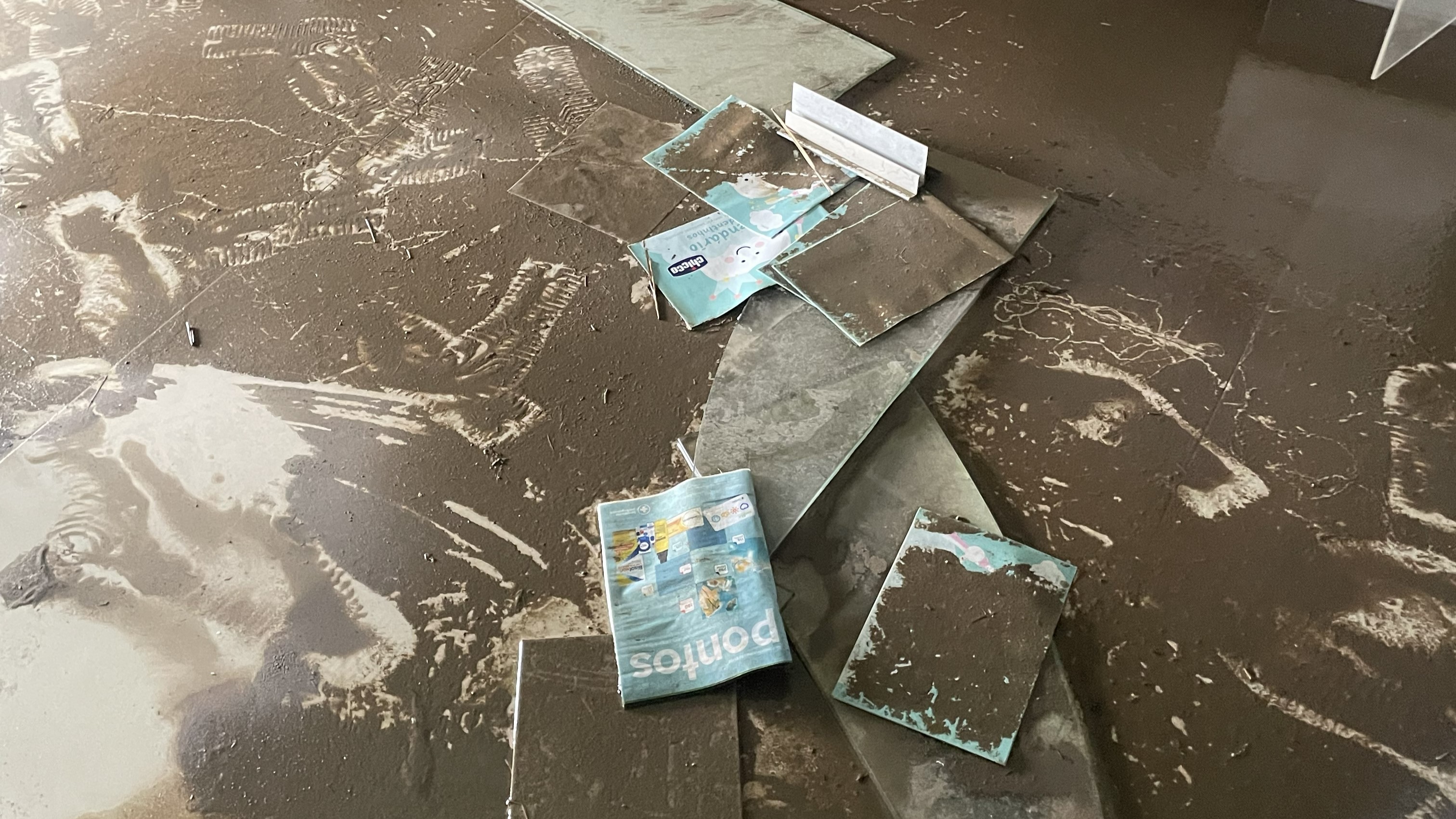
Cleaning and repair work began just a few days later, with the involvement of the team and support from the local community, and progressed at an intense pace. «For a month, we were here every day, cleaning, repairing and organising. We are all exhausted», says pharmacy technician Nuno Batista.
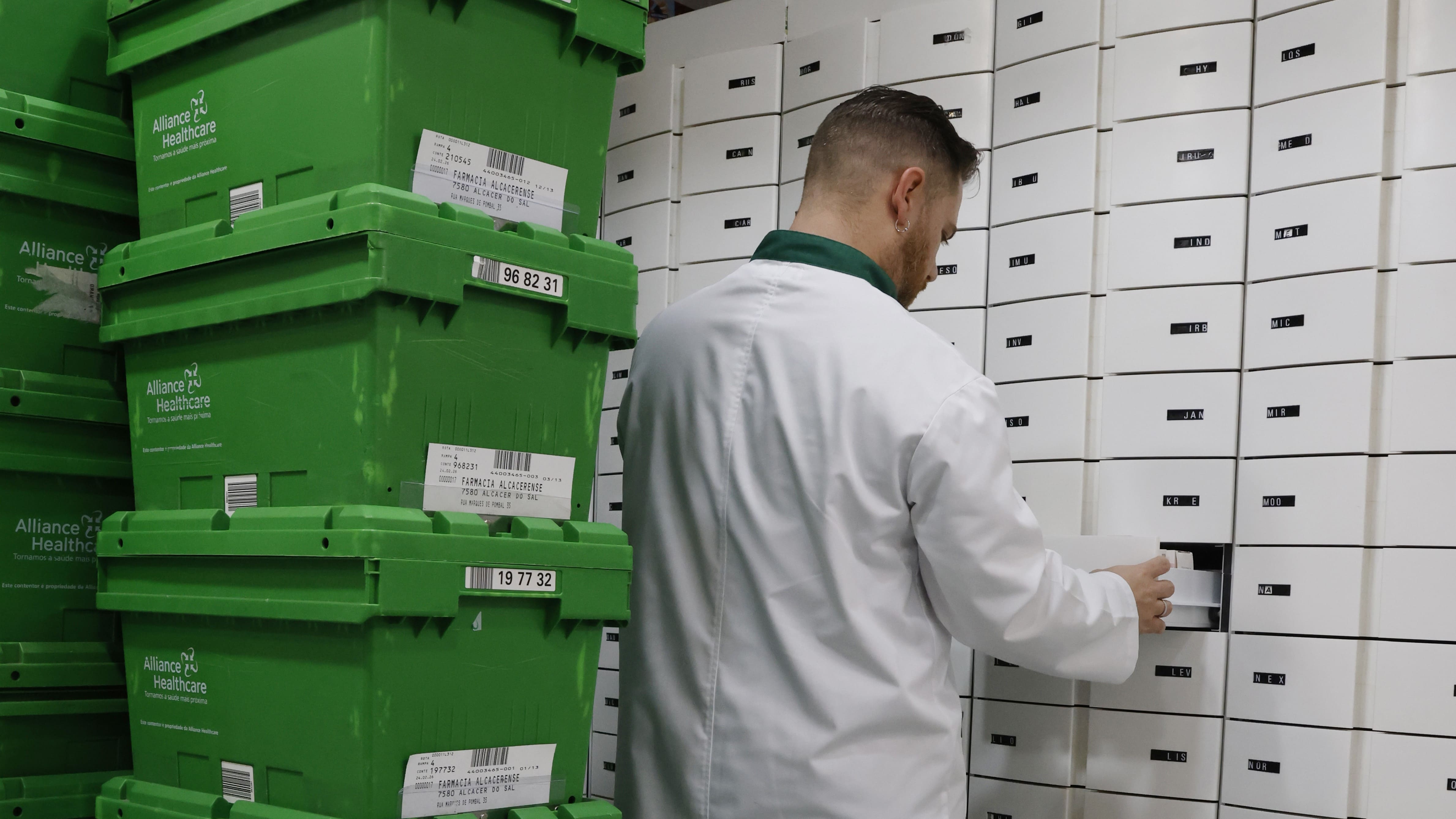
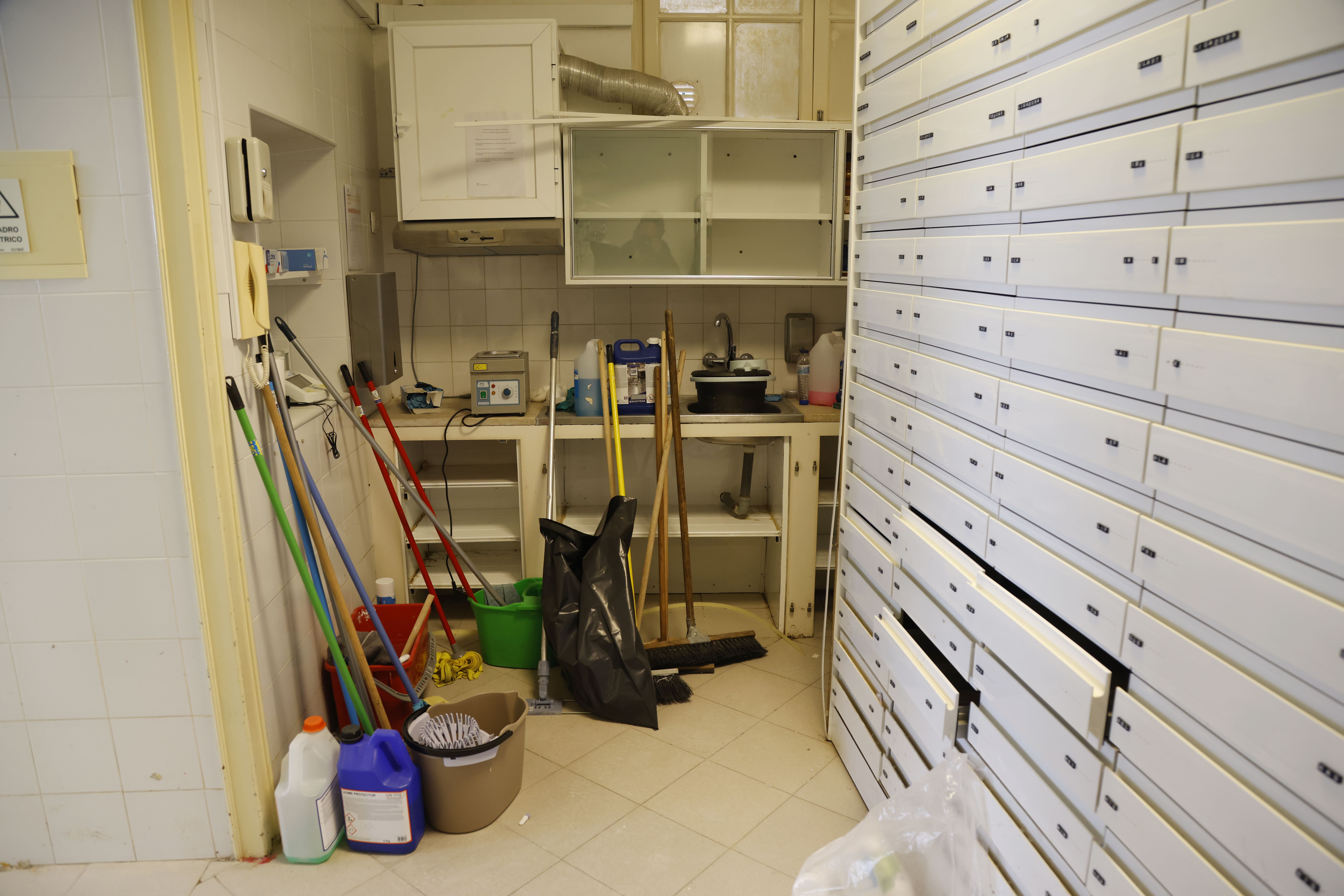
The effort is reflected in the fully restored, clean and organised customer area, which contrasts with the back-office area, where signs of the destruction are still visible. «The customer area was always our priority, so that we could start serving our patients again», the owner stresses, highlighting the importance of the reopening to the community.
The satisfaction is clear on the faces of those entering through the glass doors of Farmácia Alcacerense. «People were eager for us to reopen. Everyone knows everyone here, and people really trust us. We are a point of support, especially for those who live alone», says Maria do Carmo Batista. Those who come in are not only there to collect their medicines, but also to talk, share their recent experiences and regain a sense of routine.
More than simply resuming operations, therefore, the reopening is giving the local population back a sense of «normality» that had been missing for some time. «As places begin to reopen, we feel that normality is returning. We are all rooting for one another», says Nuno Batista.
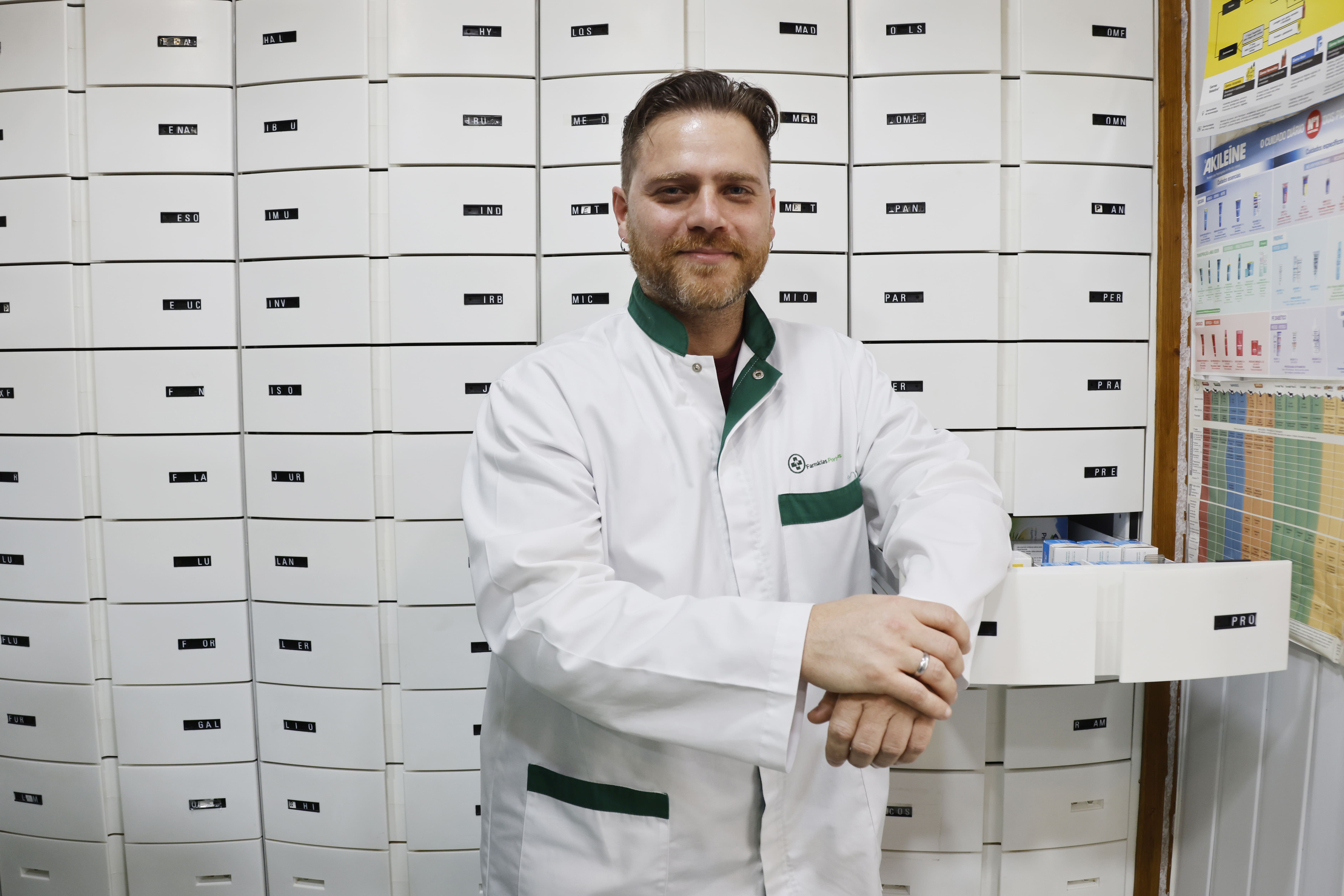
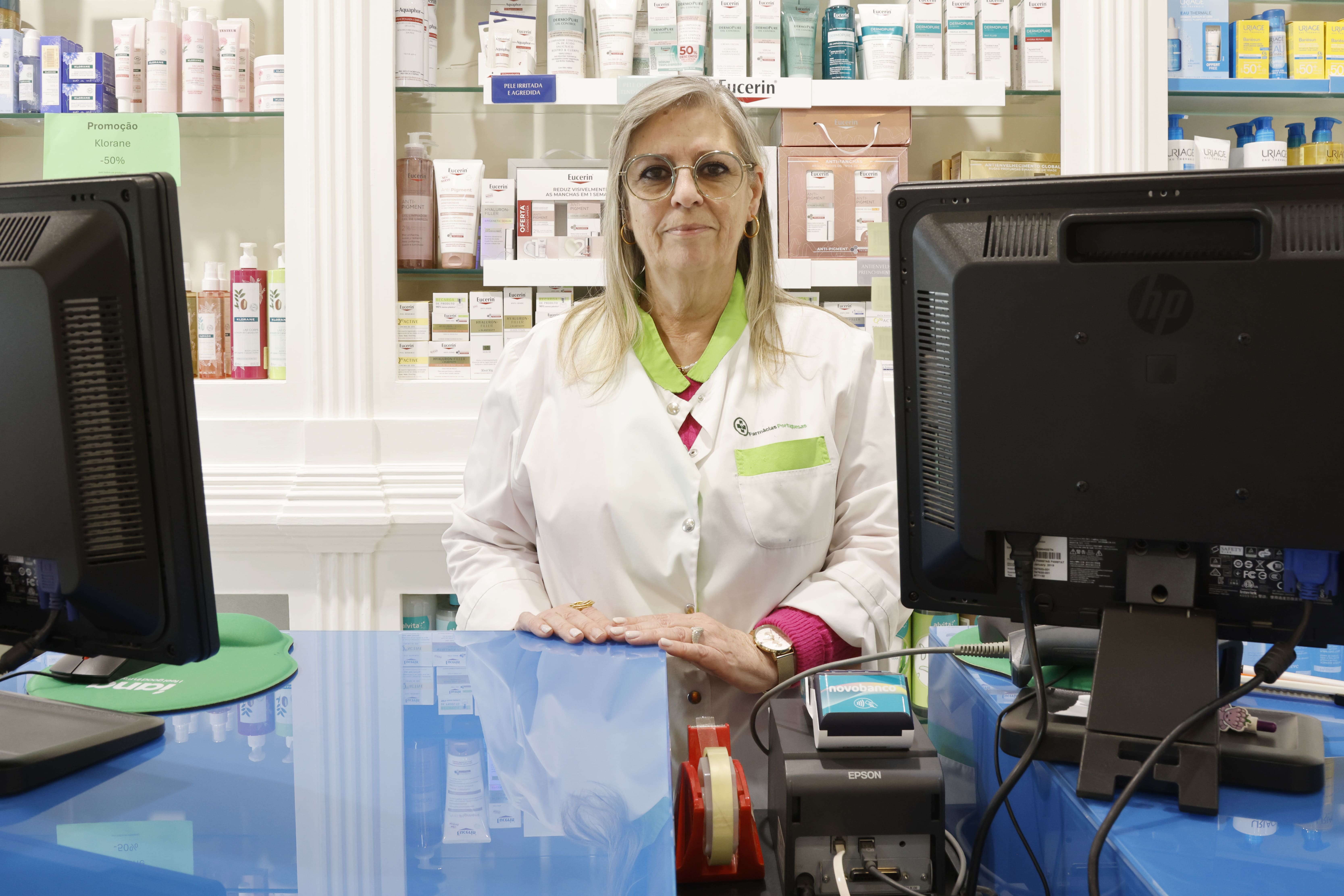
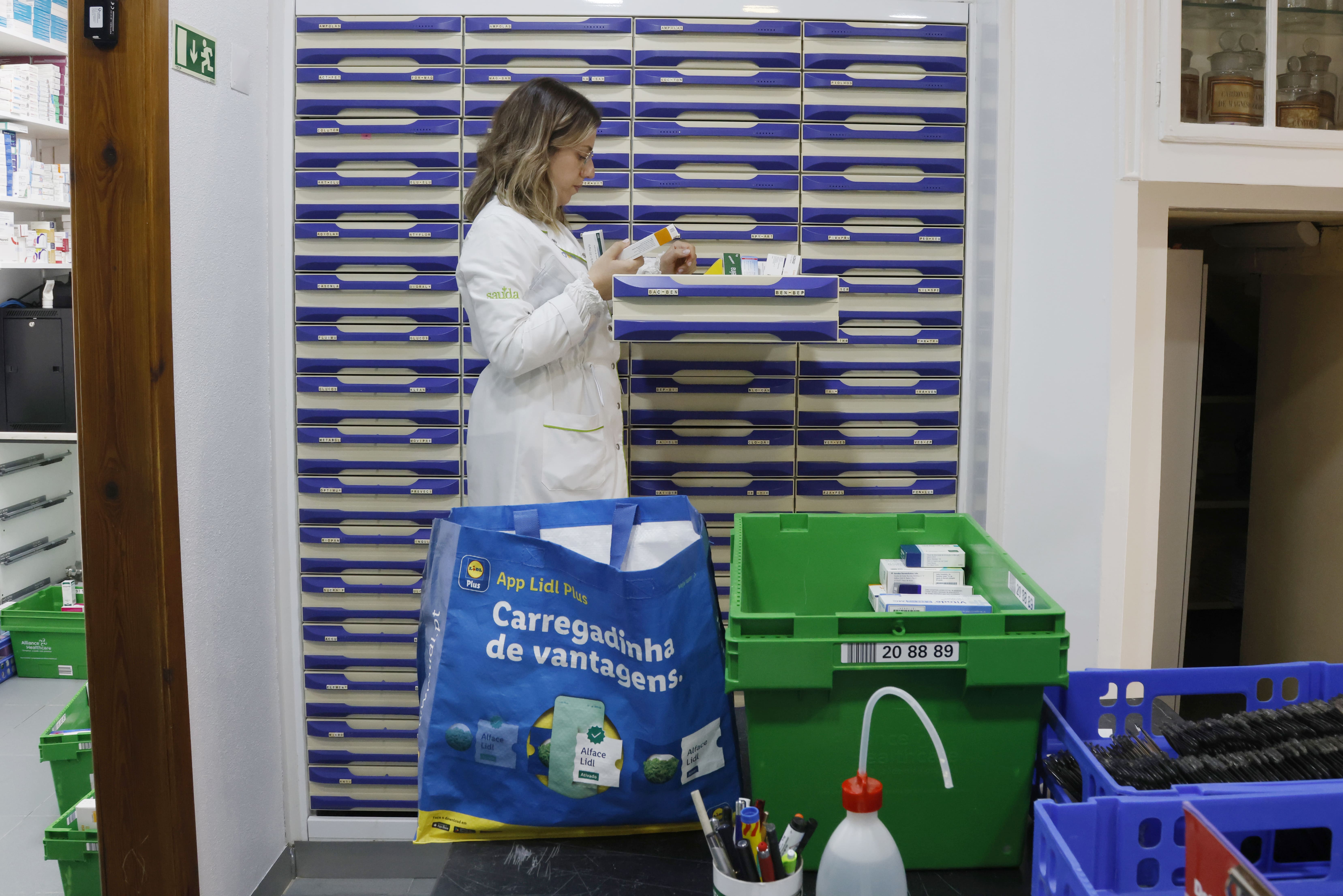
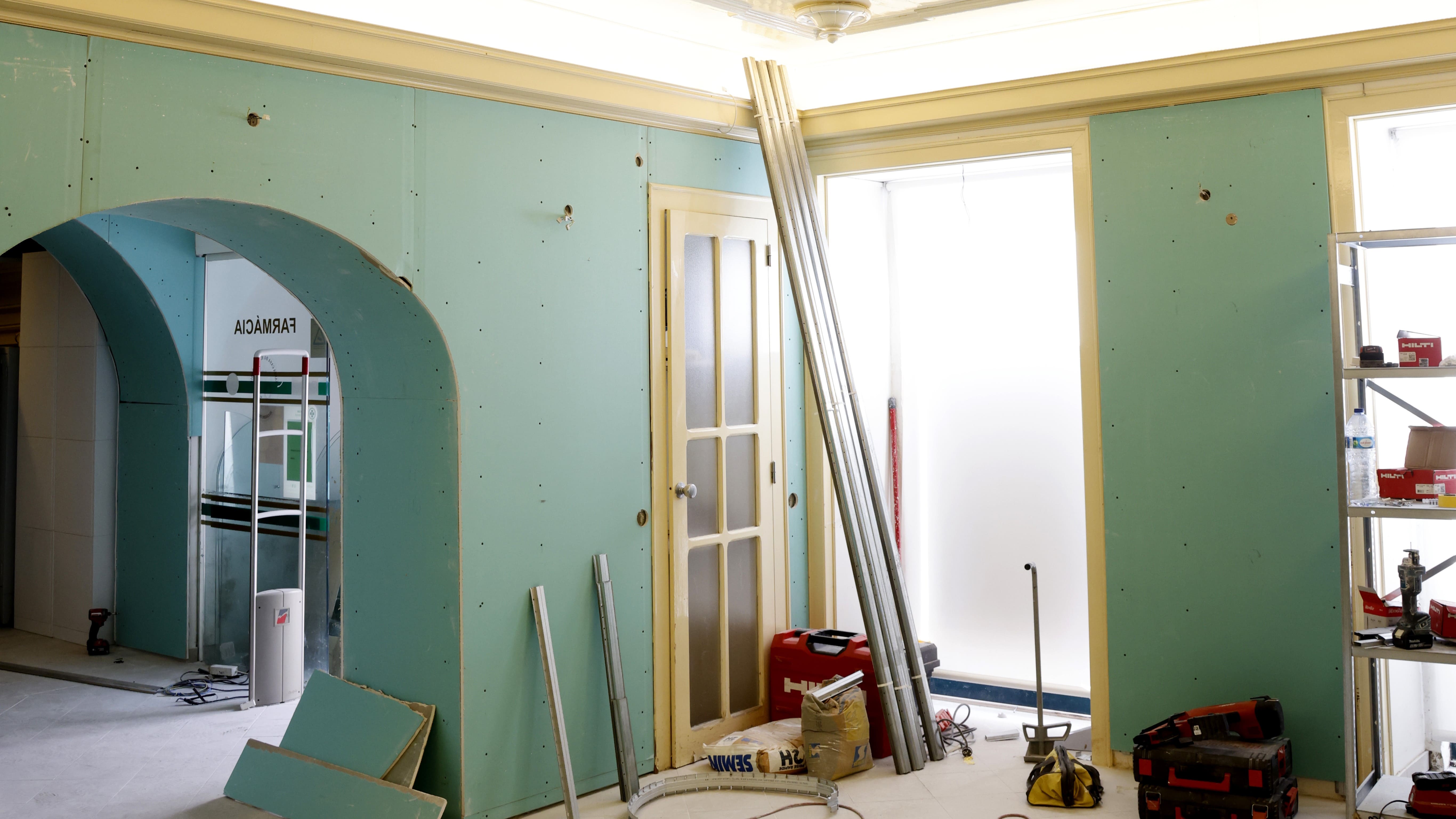
Just a few streets away, the situation is still very different. Amid ladders, plasterboard panels and clear signs of the damage, repair work is under way at Farmácia da Misericórdia, owned by Santa Casa da Misericórdia de Alcácer do Sal. «We are in a difficult situation. The walls were damaged, while the furniture and computer equipment were destroyed», explains Ricardo Cipriano, general director of Santa Casa da Misericórdia de Alcácer do Sal, estimating stock losses of around €110,000.
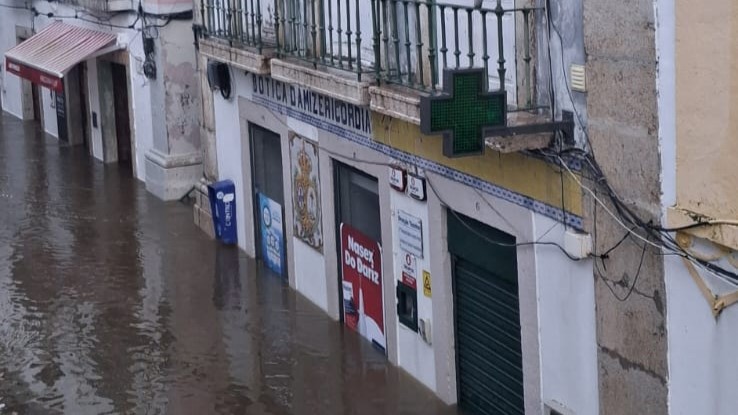
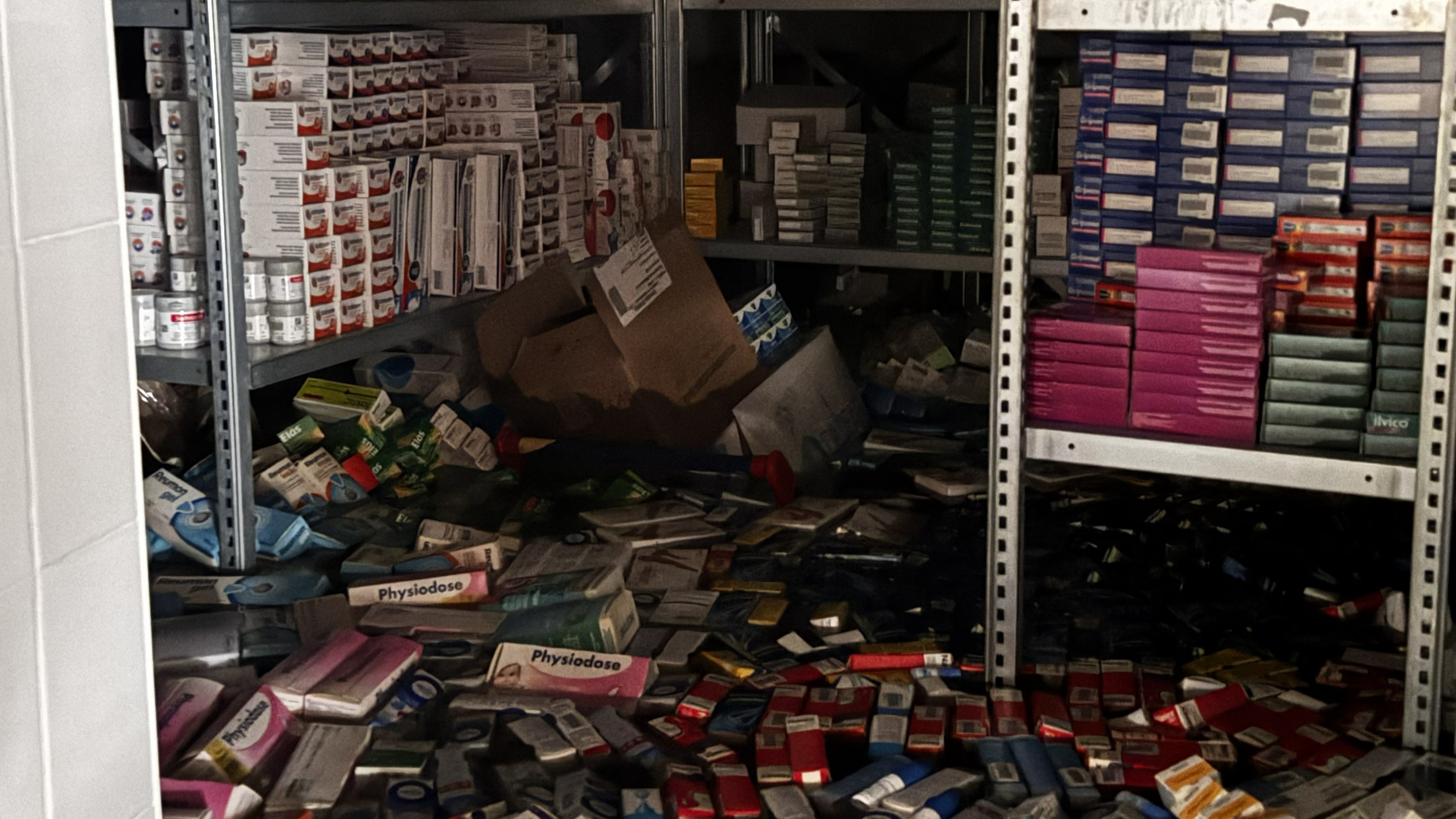
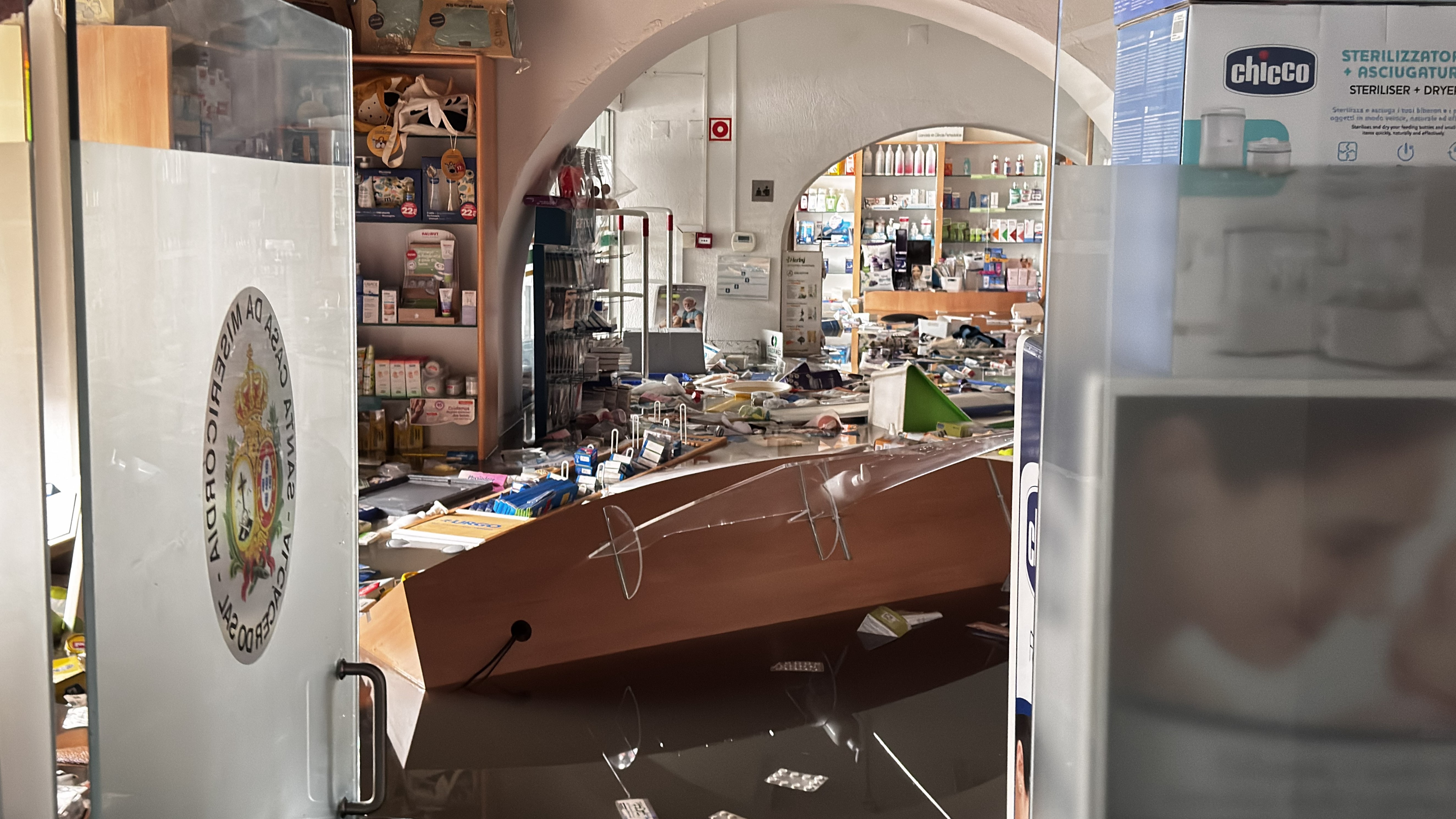
The murky water, «very cold» and with «a strong smell», flooded the premises to a depth of around one and a half metres. It swept medicines and products from the shelves, scattering them throughout the pharmacy’s 120 square metres. «I was the first to go inside, and the feeling was one of helplessness, of wanting to save what was in there but being unable to, having lost everything», he recalls.
Closing the pharmacy was unavoidable, making it urgent to find an alternative solution. «The population was left without pharmacies, with only an emergency department operating 24 hours a day», explains Manuel Fura Jorge, chairman of Santa Casa da Misericórdia de Alcácer do Sal. The nearest pharmacies are around 20 kilometres away, with access made difficult by flooded roads and adverse weather conditions.
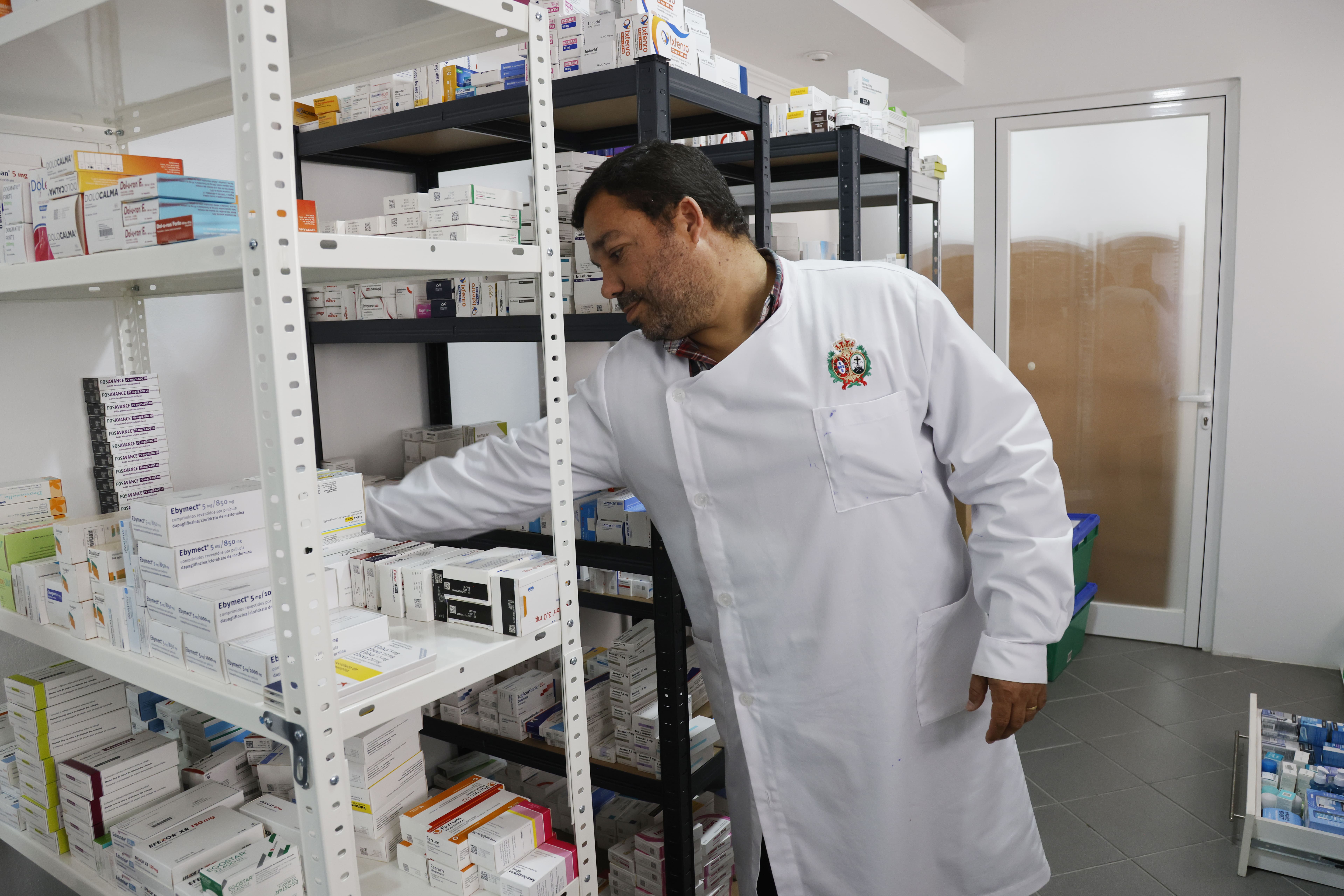
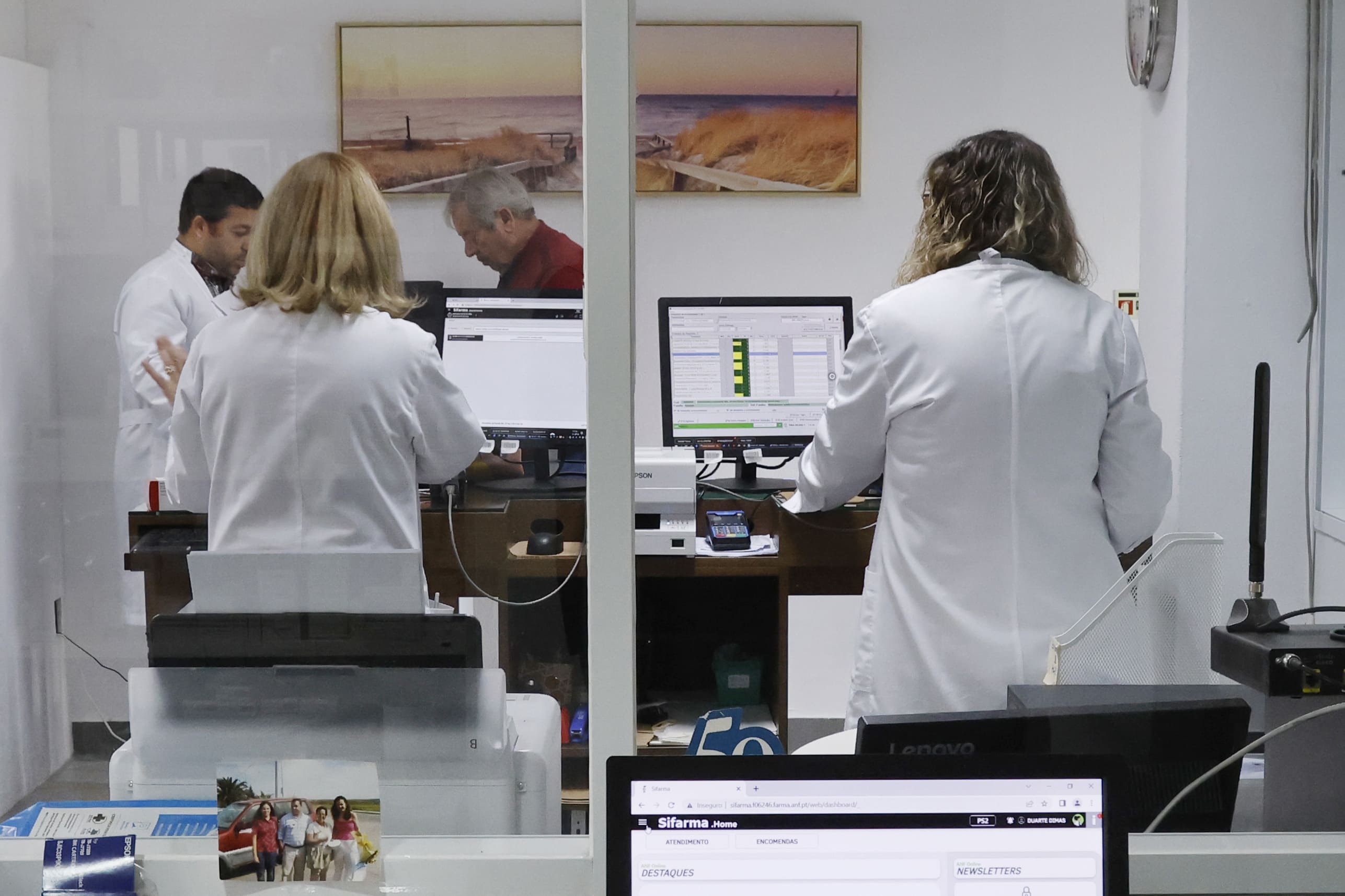
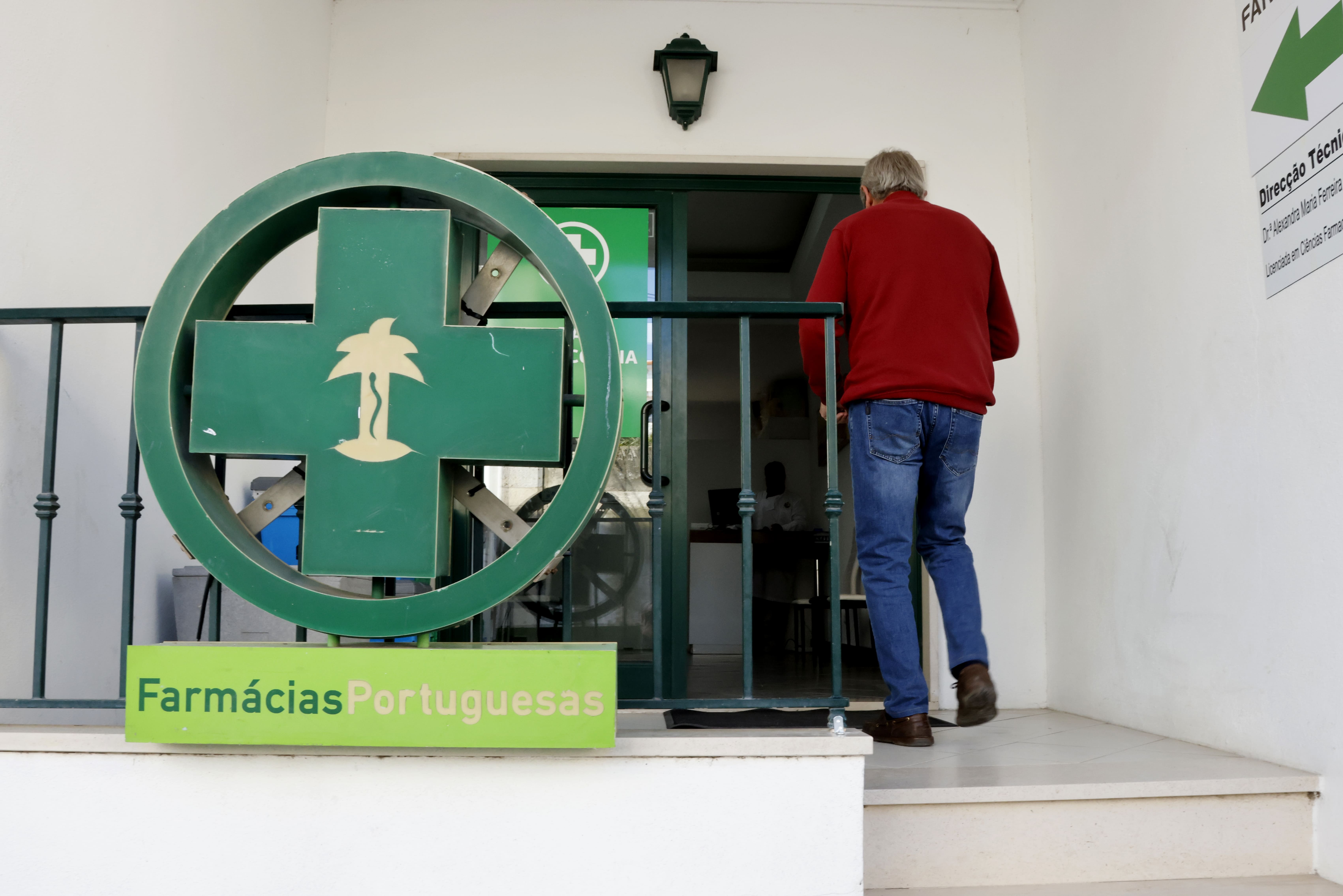
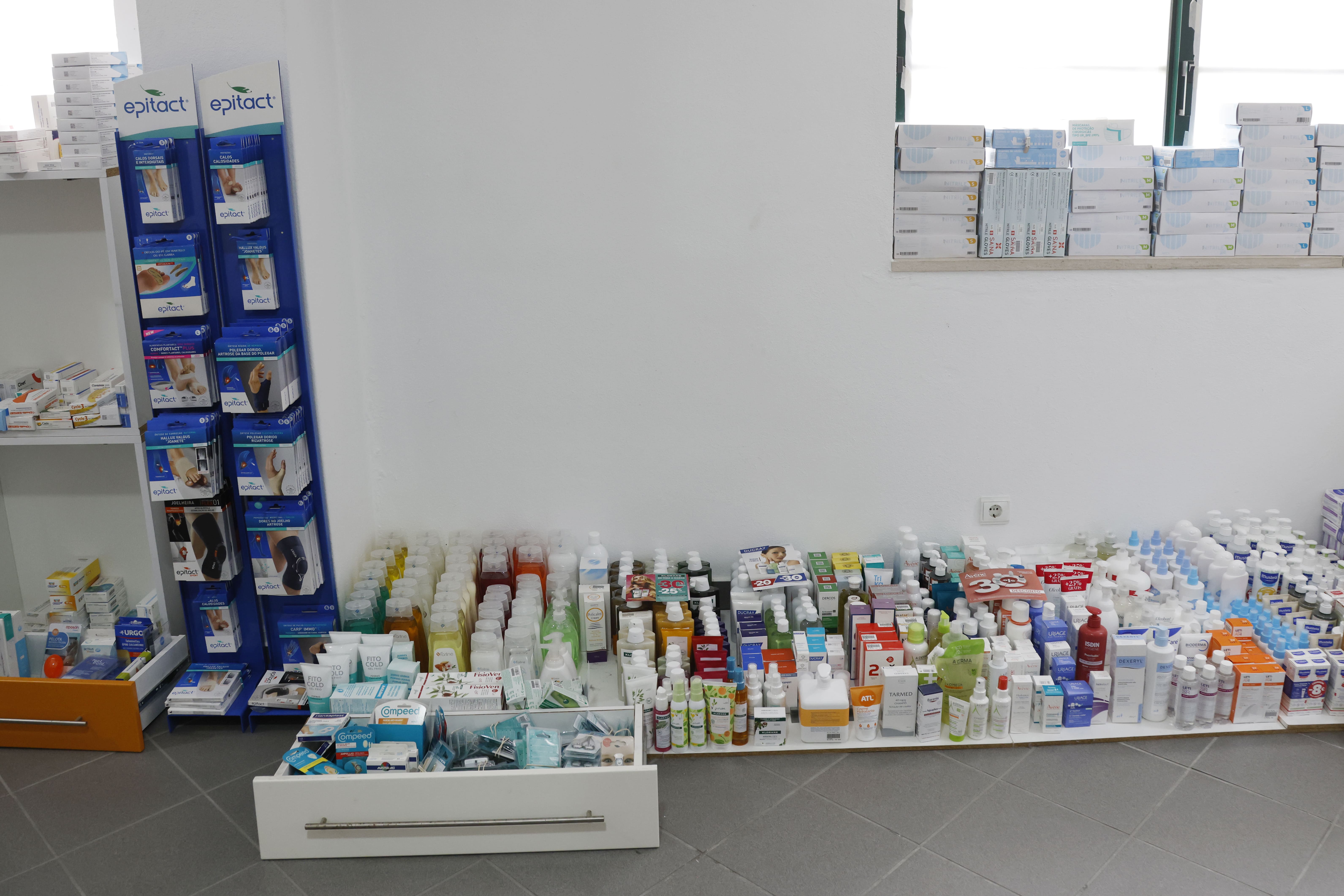
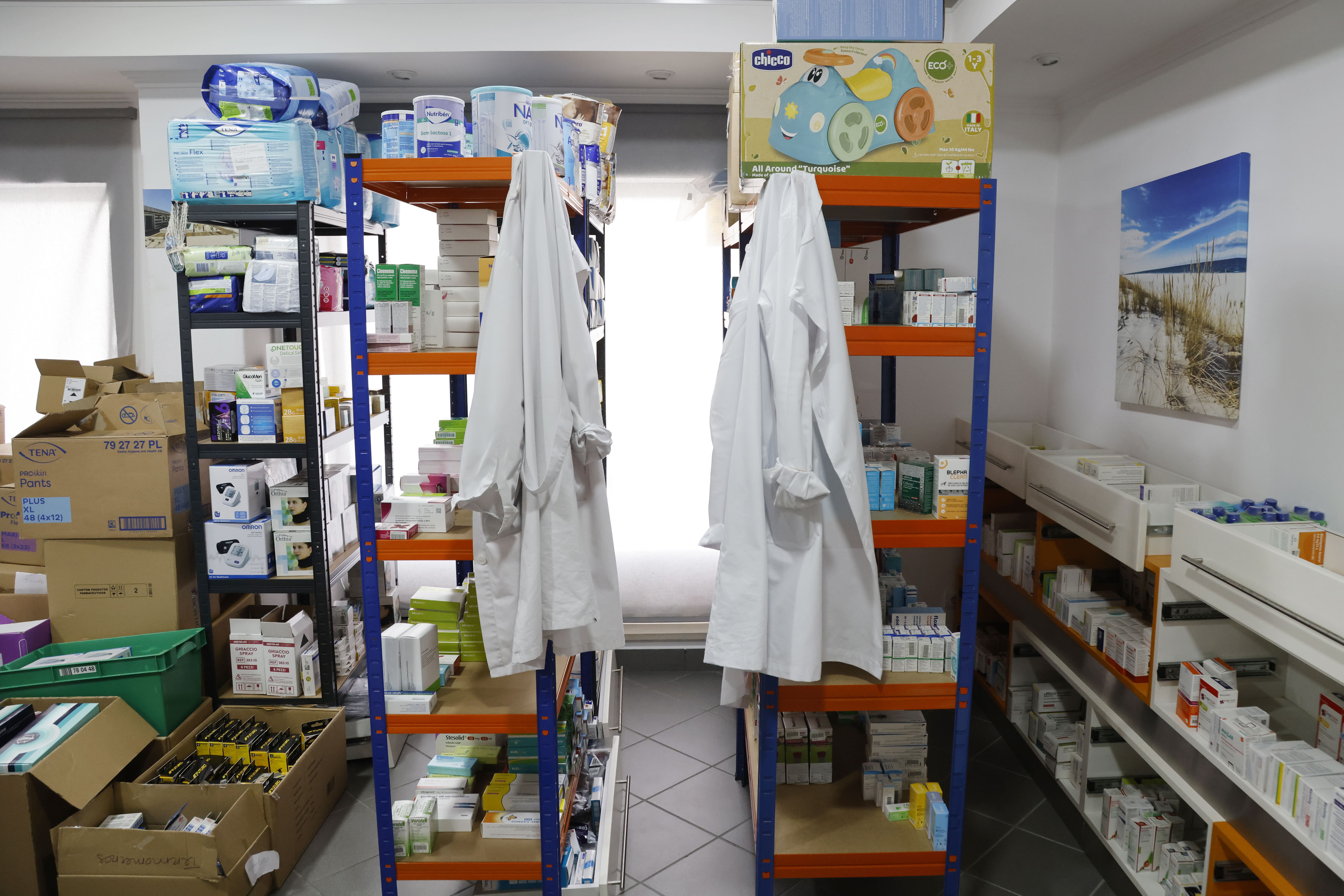
The solution was to set up a temporary facility to continue supporting the local population, particularly older people. From the very first day, a steady flow of patients has continued. «People were happy that we opened here. They were feeling even more lost and desperate, and we noticed a high demand from the very beginning», says technical director Alexandra Horta.
The facility remains open 24 hours a day, with the team providing the night-time service previously shared with Farmácia Alcacerense. Four weeks on, exhaustion is «taking its toll», but the sense of mission prevails. «It has not been easy. It is exhausting, but we are supporting the population, and that is the most important thing», says Duarte Dimas, pharmacy technician and president of the Santiago Parish Council, one of the areas hardest hit by the flooding.
The experiences of these pharmacies highlight the importance of pharmacies within their communities, particularly in times of crisis. In the face of adversity, pharmacy teams provided essential support to the local population, ensuring access to medicines, continuity of treatment and professional advice.


About the autor